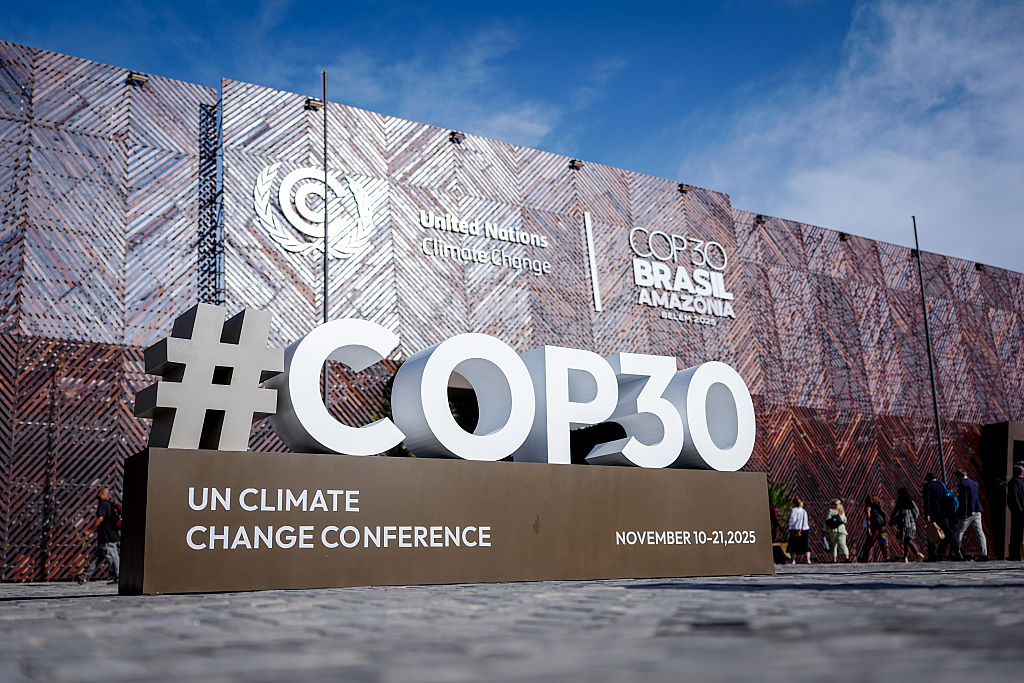
• Commitment to scale up support for developing nations & just transitions. (The Belém Political Package, which calls for tripling climate adaptation finance for developing countries and expanding support for workers and communities in the clean-energy transition).
• Global response reaffirmed to keep the 1.5°C target alive.
• Focus on inclusivity, sustainable development & community voice.
• Action Agenda across energy, cities, oceans, agriculture, infrastructure, and human development, linking climate action to the SDGs.
• Belém pushed biodiversity, forest protection, and the Amazon rainforest into the top tier of global climate priorities.
What Fell Short – Missed Opportunities
• No binding fossil-fuel phase-out plan (perhaps the biggest disappointment), despite much pressure the final COP30 text omitted any explicit roadmap to phase out fossil fuels (oil, gas, coal).
• Key systemic drivers like fossil fuel extraction, deforestation, destructive finance flows remained largely unaddressed.
• Financing promises (for adaptation, just transition) remain vague with no binding mechanisms or guarantee of delivery, especially among vulnerable and frontline communities.
• Scientific evidence and climate-justice priorities call for rapid, large-scale action, yet COP30’s outcome stops short of the level of commitment needed to meet those expectations.
Carbon Accounting – Transparency Becomes Non-Negotiable
COP30 pushes countries and companies to commit to better measurement, verification, and disclosure of emissions. It also advanced work on unified carbon accounting, with the GHG Protocol and ISO moving toward a single, credible framework for measuring emissions which is an important step for corporate action, transparency, and investor trust. The move supports phasing out older systems such as the Kyoto-era CDM and makes space for stronger Paris-aligned mechanisms. Carbon accounting now sits at the heart of the COP30 Action Agenda,helping connect mitigation, finance, technology, and capacity-building, while pushing countries and industries, especially high-impact sectors toward real action.
COP30: A Step Forward, But Not the Finish Line
COP30 succeeded in shifting global climate diplomacy from aspiration to implementation underlining that the climate crisis needs tangible action, not just rhetoric. The adoption of the Belém Political Package, scaling up climate finance, and a broad, multisectoral Action Agenda reflect a more pragmatic, inclusive model for climate cooperation.Yet the failure to secure concrete fossil-fuel commitments, coupled with deep divisions among countries, reveals how fragile consensus remains. The true measure of COP30 will lie not in its declarations, but in how governments and industries turn these commitments into measurable change.
Email us at info@ceroed.com
Visit www.ceroed.com
#COP30 #SDG #GHG Protocol #ESG #CeroED #ARRO #Sustainability #Climate Change